When You Pay for Retail Media, the Retailer Keeps Your Customer Data
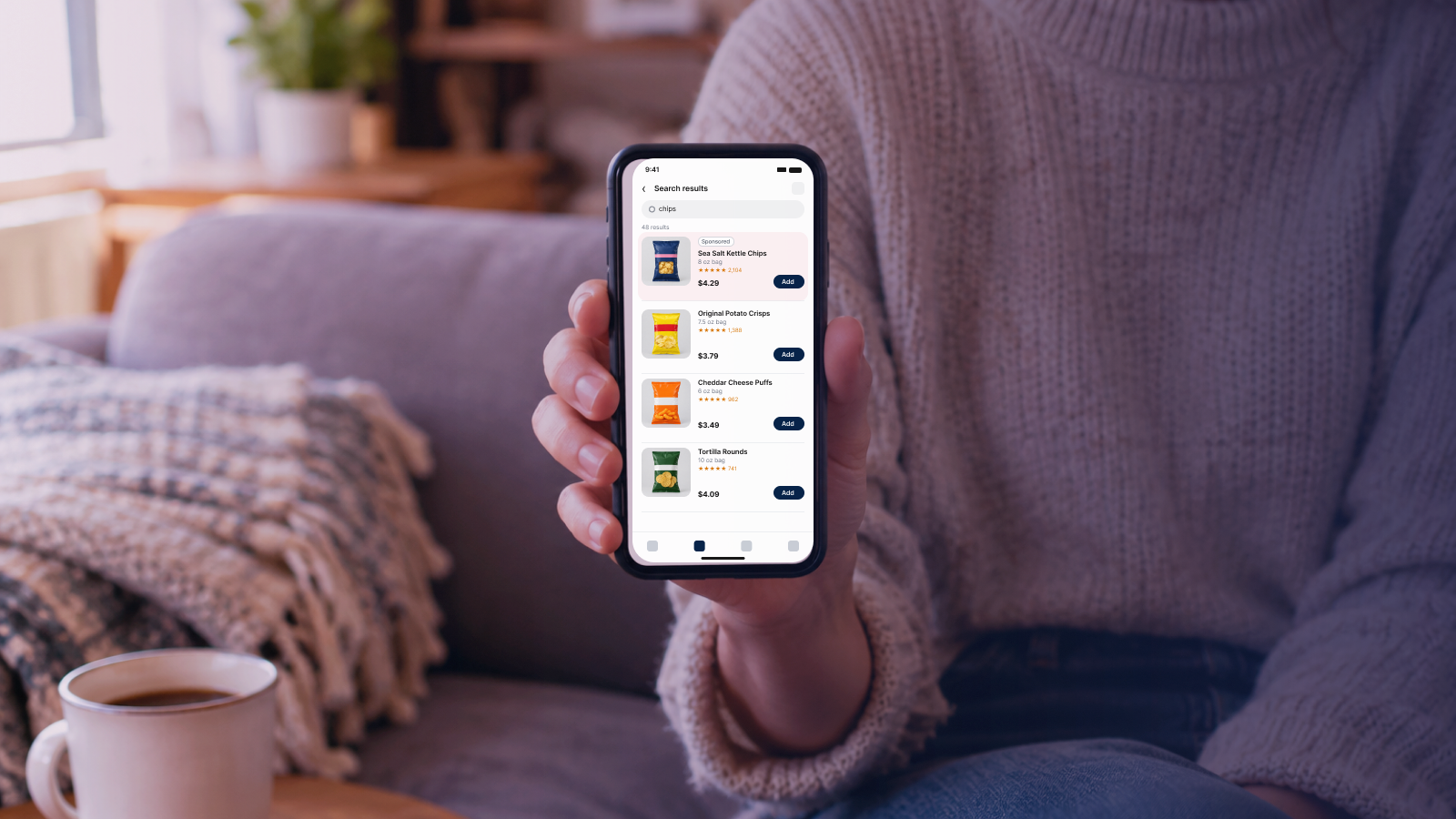
Every year, a lot of brands write a bigger check for retail media, and every year they start over from zero. The ads run and the sales come in. But when the money stops, everything it bought stops with it, and the brand has nothing it can carry into next year.
That comes down to who keeps the customer data. Retail media is the advertising you buy from a retailer to put your product in front of its shoppers, on its website, in its app, and on screens and sites outside the store. US advertisers will spend more than $71 billion on it in 2026, according to eMarketer [1]. And every one of those sales tells the retailer who bought, what else they bought, and when they might come back. Your brand gets the sale, and the retailer gets the data.
To be clear, retail media has its place, and so does building your own customer data. Knowing when to lean on each one is a strategic decision. If you sell a consumer product through retailers, this is for you. By the end, you’ll know why that data matters so much and how to start collecting it yourself, without giving up the reach retail media gives you.
What happens to the data from a retail media sale?
When a shopper buys your product through a retailer, the retailer learns who they are and adds it to everything else it knows about them. What comes back to you is a report on how the campaign did. We’ve walked through what that report does and doesn’t tell you in Why Receipt Scanning Bridges Retail and Loyalty, so here’s the short version. You see the results, and the people behind them stay with the retailer.
And the retailer gets to use that data, whether that’s sending the next offer, suggesting the next product, or bringing that shopper back. If retail media is your only plan, your brand is left on the outside, paying again next year to reach the same people.
Why does owning that data matter?
If you don’t have a customer’s data, you can’t do anything with them. All you can do is keep paying to win that first purchase again and again.
Once you do have it, everything changes. You can try to get them to try a different category. You can get them to bundle items together, or buy more often. You can bring them into a subscription. You can ask them to leave a review or a rating.
In loyalty, we call these high value actions. A high value action is simply the thing you most want a customer to do next, because it’s worth the most to your business. And this is the part a lot of brands miss. You can’t influence any of those actions without knowing who that person is and having a way to reach them.
We’ve written before about who owns your consumer and why the customer who just bought from you is still a stranger. This one is about what that costs you every time you pay for a retail media campaign.
What I keep coming back to
Early in my career at Microsoft, a partner told me about something he called Grisham’s Army, a group of John Grisham (yes, the author) fans who promoted his books on their own without anyone paying them to do it. Books aren’t CPG, so it’s not a one-to-one comparison, but the lesson carries over. Influence nobody paid for is more believable, and it almost always does better than influence you buy. And it only comes from people who have a real relationship with you. A shopper who bought once from a retailer’s ad doesn’t know you well enough to go to bat for you.
And that relationship is the piece a lot of brands tend to lose sight of. My loyalty mentor, Adam Grupp, always said brands stand on three things, which are product leadership, operational excellence, and customer intimacy, meaning how well you actually understand the people who buy from you. Retail media can help with the first two, but it can’t give you the third, because the data that would help you understand those buyers stays with the retailer.
How do you get that customer data back?
None of this means you should stop buying retail media. It’s good at reaching shoppers in the moment they’re deciding, and your own customer data is what lets you keep them. The strategy is deciding what each one is for, and making sure every sale retail media drives also gives you something you own.
So plan for it before the campaign starts. Give the people who buy a reason to tell you who they are. That could be registering the product they just bought, scanning their receipt so you can see they bought at the store, joining your program to get something they actually want, or telling you what they thought in a review. Each one turns a stranger at someone else’s register into a customer in your own data. If receipts are new to you, start with How a Receipt Scanning Loyalty Program Works.
Here’s what that can look like. Say a snack brand runs a retail media campaign for a new flavor. At the same time, the brand tells people on its own social channels, website, and email that if they snap a photo of their receipt, they’ll get a free bag of the next flavor when they join the brand’s program. Nothing on the package has to change. Now the people who buy at the store have a reason to tell the brand who they are, and the brand has a way to reach them again that it doesn’t have to pay a retailer for.
And test it before you change your budget. Add the direct step in some stores or regions, keep the rest as a holdout, and compare repeat purchase and how many shoppers you can now reach on your own. We cover how to set up that kind of test in how to prove your loyalty program is working.
This is exactly what TrueLoyal does. We help brands that sell through retailers collect the customer data retail media leaves behind, through receipt scanning, product registration, reviews, and a loyalty program that gives shoppers a reason to share it. That data lives with your brand, so you can reach those people again and influence what they buy next. If you want to see how that would work for your products, book a demo.
Sources
- eMarketer, FAQ on retail media networks and how marketers should allocate budgets in 2026, from eMarketer’s December 2025 forecast.