
Give holiday buyers a reason to register the product they just bought

Holiday buyers will register a product when it takes one short step and gives them something useful right away. Ask at the moment they open the box, keep the form to a few fields, and make the first thing they get back worth the effort.
For a brand that sells through retailers, this matters more than it sounds. When the sale happens at someone else's checkout, you often don't learn who bought. Registration is one of the few moments when a buyer can tell you directly. During the holidays, some of those buyers are new to you, and some are gift recipients who never saw your brand before the box arrived. If you want to know more about that second group, read Your Holiday Gift Recipients Might Be Customers You've Never Met.
Why would a buyer register a product?
A buyer registers when the answer to "what do I get?" is clear and quick. People don't fill in a form just to land on a list, so give them a practical reason, like help getting started or something extra for their purchase. Good reasons include a short setup guide, care or usage tips, a recipe or routine for the product they just opened, a welcome reward, or an extended guarantee if your product has one.
For a brand that sells through retailers, registration does one more job. The retailer keeps the sale data, so registration gives you a way to hear from a buyer directly, and it starts a conversation the buyer asked for.
Where should you ask?
The best moment is the one right after the buyer opens the product, because that is when their attention is on it. For holiday purchases, three places tend to work well.
Inside the box or on the package, with a QR code and one clear line about what they get. Keep the line specific, such as "Scan for a two-minute setup guide and a welcome reward."
On the product's own page or in a confirmation message, if you sell direct. Ask again a few days after delivery, when the product has been used.
In a gift note or insert, so recipients can register without needing the giver's order details. Make sure a recipient can start from the box alone.
How short can the form be?
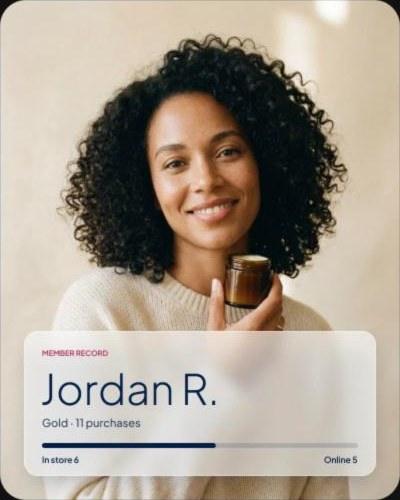
Ask for the least you need to send the first thing you promised, which is usually an email address and the product. You can learn more later, a little at a time, as members take part. With TrueLoyal® Progressive Profiling, you get to know members over time, so you never have to ask them everything on the day they sign up. Questions about preferences and household are easier to answer once a member has already received something from you.
If you want to ask people for details about themselves, tell them why and keep it optional. When members tell you what they like, you can make better choices about what to offer them, and that's the value of zero-party data.
What should members get after they register?
Your first message should give buyers exactly what you promised on the box, whether that's a setup guide, a reward, or tips for their new product. After that, you can invite members to join your program, take part in a mission, or review the product once they have tried it. Once members have registered, you can start thinking about what brings them back for another purchase, which we cover in Your Holiday Buyers Tried the Product. Here's How to Earn the Second Purchase.
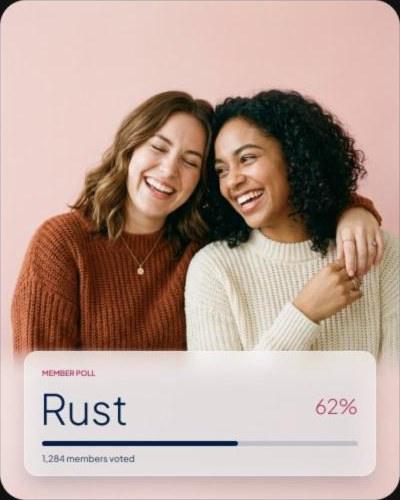
Fan Club™ gives registered members more ways to get involved, from sharing their opinions in polls and surveys to reviewing products they've tried. See the Fan Club™ page for how missions work.
What if buyers purchased at a store, not from you?
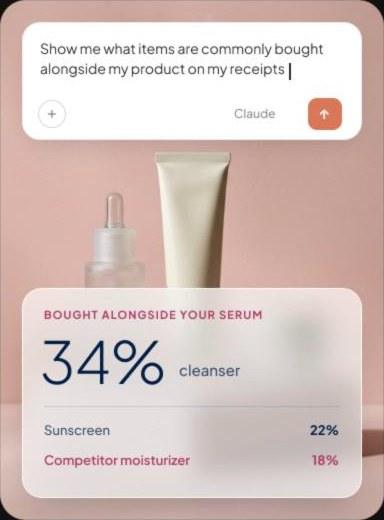
This is the common case for CPG brands. A buyer who picked your product up at a retailer has no order record with you. When members scan their receipts, you can learn which products they're buying and where they shop, even when the purchase happens at a retailer. It covers only the members who choose to submit receipts, so it won't show every buyer or every retail sale. Receipt scanning helps you understand the members who take part, while your retailer's sales reports show how the wider business is doing. You can read more on the CPG solutions page.
Where is registration not the right fit?
Registration works best for products people keep and use, such as appliances, devices, tools, or items with a routine around them. For a low-cost item bought on impulse, a form can feel like too much. In that case, a simple prompt to scan a receipt or join a community may fit better. And if your buyers expect a warranty claim or safety notice from you, handle that separately, since those carry their own legal and service requirements.
How do you know whether it worked?
Start by looking at how many buyers began registration, how many finished, and which placement they came from. Then look at what registered members did next, such as opening the first message, joining a mission, or coming back to buy. More registrations don't automatically mean more sales, so compare what registered buyers do with similar buyers who didn't register to see whether the program is making a difference. Treat any result from one holiday season as a first read, and confirm it before you build a plan around it.
You don't need to roll out registration across your whole product line this holiday season, so start with one product and see how buyers respond. Decide what the buyer gets in the first message, put one QR code and one clear line in the box, keep the form to two or three fields, and send that first message within a day. Then read the results in January and decide what to repeat. If you want to see how Fan Club™, rewards, and receipt scanning work together for a consumer brand, book a demo with our team.
Written by the TrueLoyal® Editorial Team