Zero-party data is information a customer deliberately shares with a brand, such as product preferences, purchase plans, or how they want to be contacted. Forrester Research is credited with coining the term in 2018. Brands can collect it through surveys, polls, quizzes, and profile questions, and some offer a reward for answering.
A brand asks a question, and the customer chooses whether to answer it. A brand can ask through surveys, polls, quizzes, profile questions in an account or app, and preference centers, which are settings pages where a customer picks topics and how often the brand contacts them. The answer is saved to the customer's profile when the customer is signed in or identified, and the brand uses it to decide which offers and messages that customer sees.
First-party data is information a brand collects from its own channels, such as purchases and site visits, and the two overlap because both come straight from the customer. Third-party data is bought from outside companies that gathered it somewhere else.
Zero-party data tells a brand what a customer says they want, which purchase history may not show. It lets a brand personalize from what customers said as well as what they bought. A member who buys one bag of dog food might have one dog or three, and only the member can say which.
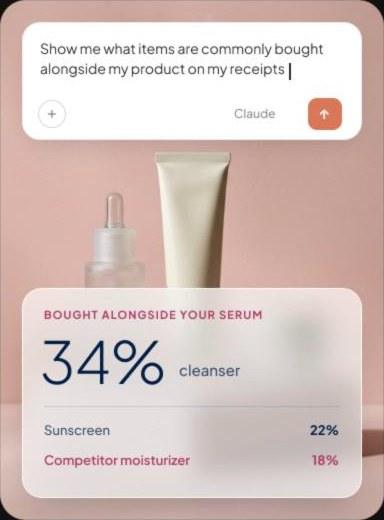
A brand that sells through retailers sees what sold but not who bought it, so a few questions to its own members tell it who some of its buyers are.
Zero-party data covers only the customers who answer, so it describes a smaller group than the brand's full sales, and it is only as current as the last time each person was asked.
A dog treat brand sells through grocery and pet stores and runs a rewards program. It adds two profile questions, how large the member's dog is and whether the treats are for training or everyday snacking, and awards points for answering. Members with small dogs who train start receiving offers on the brand's small training treats, and members with large dogs see its larger chews. Six months later the brand asks again to check whether the answers have changed.
A brand can ask questions it has no plan to use. A member who shares a preference and then gets the same generic emails as everyone else may stop answering. Before adding a question, the brand can name the message or offer that will use the answer, and send it soon after the member answers.
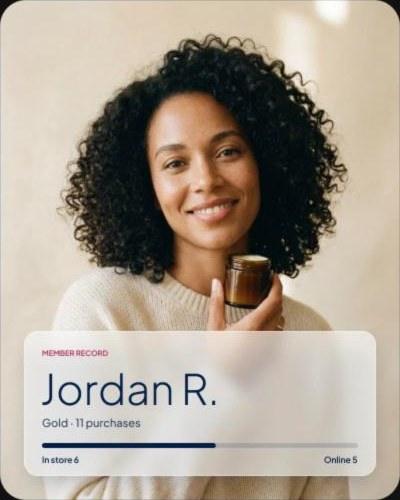
Where TrueLoyal® fits: Mission Hub has Survey, Poll, and Census pages, and members can earn points for completing a survey or poll. A completed Census adds the answers to the member's profile, and like the other pages it reaches only members who answer.
This entry explains a marketing term. It is not legal advice, and data and consent practices should be reviewed for each market.
Zero-party data is what a customer tells a brand on purpose, and first-party data is what the brand records from its own channels, such as purchases and site visits. Some marketers treat it as a subset of first-party data, set apart because the customer offers it on purpose.
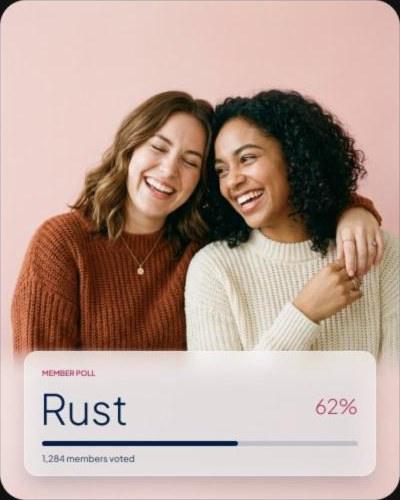
A brand asks for it through surveys, polls, quizzes, and profile questions. A loyalty program is one place to ask, because members can earn points for answering. Each question should tell the customer what it is for.
No, because people misremember or describe what they plan to do instead of what they end up doing, and answers go out of date. A brand can compare answers with purchase history and ask again over time.
It depends on where the customer lives and how the brand plans to use the answer. Rules differ by country and state, so check the ones that apply to your customers before using answers for marketing.
Marketing opt-in is a member's explicit agreement to receive promotional messages from a brand on a named channel. It is a separate permission from joining a loyalty program, and it is granted per channel. Agreeing to email does not grant SMS.
CCPA compliance for loyalty programs is a brand's obligation under California privacy law to disclose what member data it collects, honor requests to access, delete or opt out of its sale or sharing, and publish a notice of financial incentive explaining why offering rewards in exchange for data is permitted.
GDPR consent for loyalty programs is the freely given, specific, informed and unambiguous agreement a member must provide before a brand can process their personal data for loyalty purposes. Consent has to be an active choice, recorded, and as easy to withdraw as it was to give.
A data subject request is a formal demand from an individual that a brand act on the personal data it holds about them, such as to access a copy of it, correct it, delete it, or stop a particular use. Privacy laws grant these rights and set a deadline for answering.
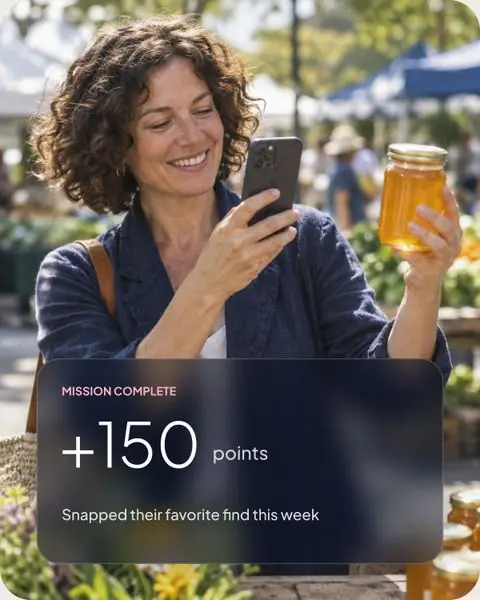
A mission is a task a brand asks community members to complete in exchange for a reward, such as posting a photo, sharing on social media, or writing a review. Each mission has clear instructions, a reward, and a way for the brand to confirm the task was done. Missions give members a concrete and specific way to take part in a community.
POS data is the record of sales captured at the point of sale, which is the register or checkout where a transaction happens. It shows what sold, in what quantity, at what price, in which store, and when. For brands selling through retail, it is the most direct count of how many units actually moved to shoppers.
Syndicated data is market data that a research company collects once and sells to many subscribers. In consumer goods it usually means retail sales data and household panel data from providers such as Nielsen and Circana. It is the shared source of truth that brands, retailers, and brokers use when they talk about category performance.