Advertising in 1967 vs. 2017

Boardrooms clouded with smoke, tumblers filled with whiskey, and a dapper Don Draper are some images that might come to mind when you think about advertising in the 1960s. As industries, advertising and marketing are always evolving as fads change, political and socioeconomic climates shift, and consumers change the way they consume media. While the 1960s were a time of immense political and social change (and the same can be said for 2017), the landscape for how we advertise and market products has changed dramatically. Here, we take a look at the way brands vied for consumer attention in the 1960s versus today.
Gender in Advertising
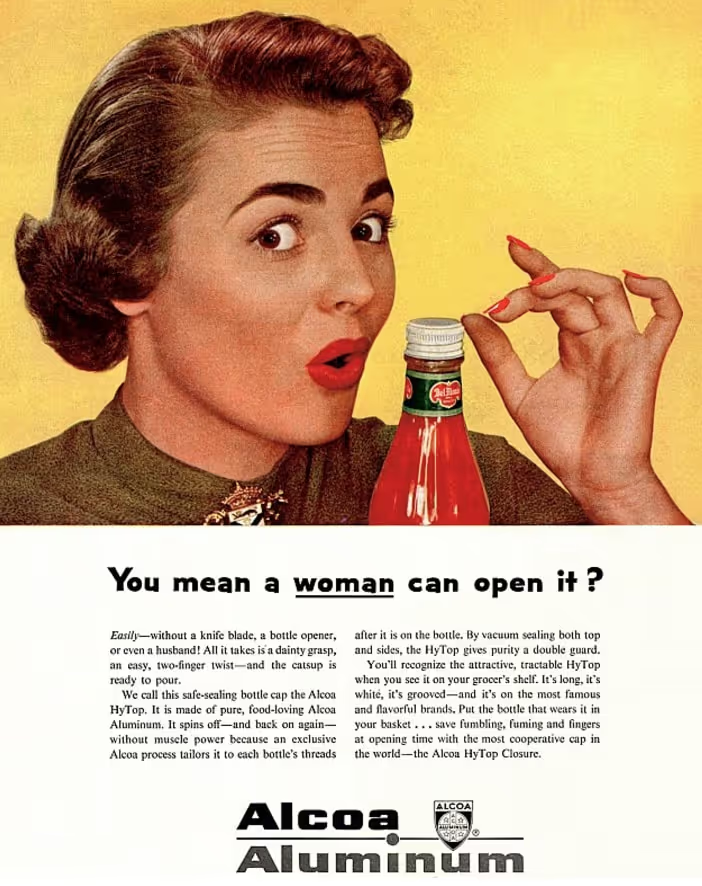
While you can certainly argue that women are still objectified in some of today's ads, the blatant sexism in many ads from the 1960s is jarring. From a woman depicted as a doormat (literally) to an ad speaking to a woman's inability to open a bottle of ketchup, it's shocking any purchases were made in the 1960s. Well, shocking until we think about who was really doing the buying during this decade. In the 1960s, women on average made around $8,000 (adjusted for inflation) per year, compared to nearly $40,000 in 2014. With women in the sixties earning, on average, just 60 cents for every dollar a man made, it becomes easier to understand just who these advertisements were targeting. Today, we've seen a massive shift in how women are portrayed in advertising. This is perhaps partially due to the fact that women hold around 60 percent of positions at advertising agencies. Women are also more prevalent in the workplace and, therefore, have more discretionary income than women in the sixties. Many modern companies are embracing this era of female empowerment. Of these campaigns, one of the most popular is Always' “Always #LikeAGirl” campaign. The campaign, which aimed to empower young girls by proving there is nothing insulting about doing anything “like a girl,” gave the brand's equity a double-digit increase while competitors' stock declined. Today, compared to in the 1960s, it pays to advertise like a girl. [embed]https://www.youtube.com/watch?v=cP8g2mf2R08[/embed]
Spokespeople vs. Influencers
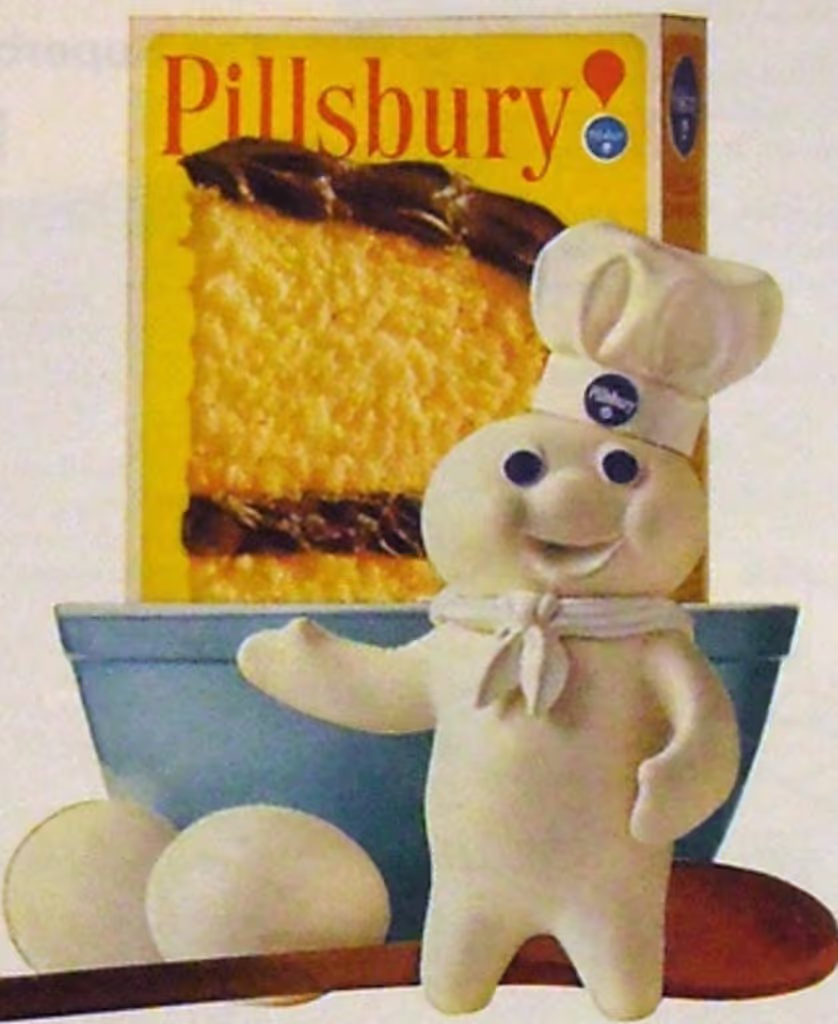
The 1960s saw the introduction of some of today's most famous brand spokespeople. Ronald McDonald made his television debut in three separate commercials in 1963 and the Pillsbury Doughboy first came on the scene in 1965. These iconic characters are now nearly synonymous with their brands, showing the lasting impact of these advertising tactics.
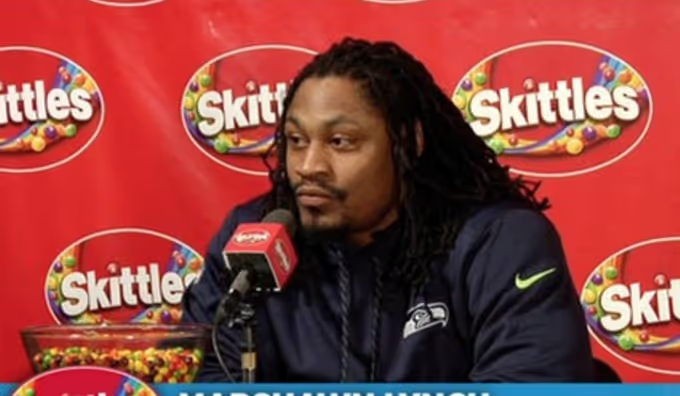
While it's probably too soon to understand which (if any) influencers will be as iconic in the long-run as Ronald and the Doughboy, influencer marketing is today's version of brand spokespeople. Rather than hearing what to purchase from a clown or animated baker, today's consumer wants to hear from people like them. One of the most effective ways brands are marketing today is by identifying people who already hold clout in a given industry and sharing their product(s) with these influencers with the goal of authentic promotion. On average, businesses make $5.50 for every $1 invested in an influencer marketing strategy. So, while Ronald McDonald might have worked in the 1960s, to succeed in 2017, your brand needs to think about how to invest in an influencer marketing strategy. There are many ways to leverage influencers on both a small and large scale. Many fashion and apparel brands turn to style bloggers with significant social media followers; a software as a service (SaaS) company might reach out to a popular business podcast; and sometimes, even celebrities get involved. Fans of the Seattle Seahawk's former running back Marshawn Lynch know him for a few reasons: his athletic prowess, disdain for press conference, and love of Skittles. Skittles decided to capitalize on this love and create an ad based on a Skittles “press conference.” Even though they had already planned their original campaign months in advance of the Super Bowl, when the Seahawks made the championship game, Skittles quickly came up with a new strategy (and commercial) in order to showcase this famous influencer authentically promoting their brand.
Authenticity in Advertising
Although the forms in which authenticity is called into question are different in the sixties versus today, both time periods see consumers call brand honesty into question.Throughout the 1950s, a popular tactic for selling cigarettes was to include a doctor's endorsement (yep).
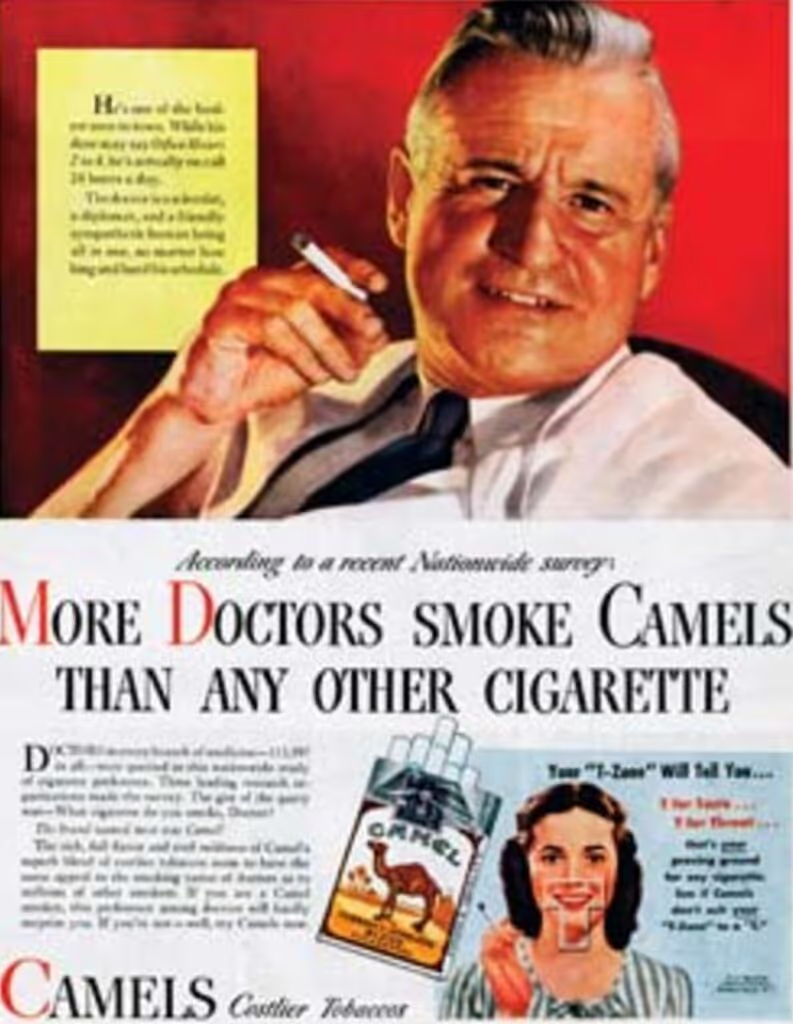
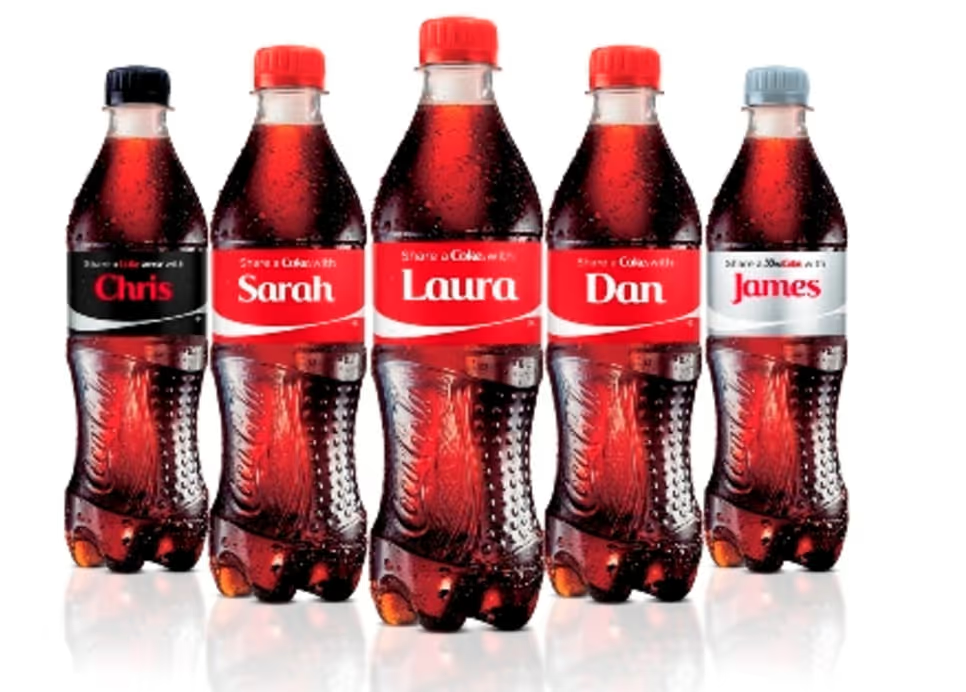
Ads like these falsely represented the health risks associated with smoking. Advertisers perpetuated dishonesties by portraying actors as doctors, which critics denounced and which eventually led to government regulations on tobacco industry advertising in 1965.Ethics in advertising, exemplified by the cigarette example, was the topic of several popular memoirs published at the time, most famously David Ogilvy's “Confessions of an Advertising Man.” The book sold 1 million copies and was translated into 14 languages, giving unprecedented exposure to the ‘real' world of advertising and making consumers question the authenticity of the messages they were receiving.With the importance of influencer marketing, it shouldn't be a surprise that authenticity is key to effective advertising in 2017. Letting customers sell your brand for you is the most authentic way to cut through the noise and reach today's consumer. User-generated content is one of the most popular ways to approach this strategy. The brilliance in user-generated content is how many forms it can take based on product, target demographic, and the brand's goal. For example, when Coca-Cola started distributing bottles with names on the label, consumers loved posting pictures of themselves with personalized bottle on social media. They authentically sold a product they were excited about to their networks. This is certainly a different approach to honest marketing than the 1960s, but in both cases, consumers are looking for a more transparent connection to the brands with which they interact.
Conclusion
We've come a long way since the age of advertising depicted in Mad Men, but the industry is always evolving. From the changes we've seen from the 1960s to today, we know it's important to empower your target audience in the stories you tell. To increase credibility and empower your community, focus on creating a unique experience that feels authentic to those consuming your content.