A unified customer profile is one record that brings together what a brand knows about a person from every source, such as purchases, sign-up answers, and activity. It replaces separate records in separate systems with a single view of each person.
A unified customer profile is built in three steps. First, data comes in from each source, such as an online store, a loyalty program, a receipt, or a sign-up form. Second, the system matches records that belong to the same person, using identifiers such as an email address, phone number, or member ID. Third, it merges the matched records into one profile that anyone using it can see.
The profile mixes different kinds of data. First-party data comes from a person's activity with the brand, and zero-party data is what the person tells the brand on purpose. A retailer's POS data may sit alongside them, though retailers share it as summary reports that don't name each shopper. Permissions follow the data. A person who has not agreed to marketing emails should not receive them just because the data is now in one place.
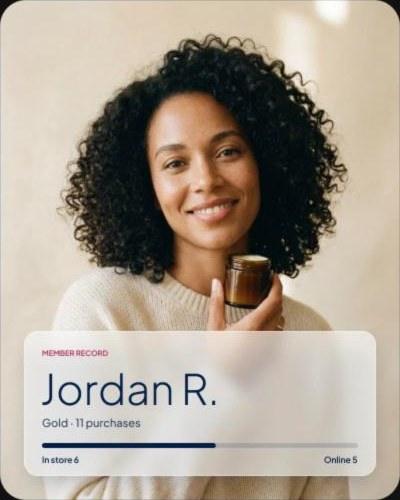
A brand that sells through retailers can often see how much product sold but not who bought it. A unified profile ties what a member buys at a store, what they buy online, and what they say in a survey to one person. A brand can then group members by what they actually did and speak to them in a way that fits.
It also saves effort. Without one profile, a team may pull the same member from three systems and get three different answers. The limit is coverage. The profile holds only people the brand has identified and only data it has permission to use, so read it as a view of the members the brand knows.
A cereal brand has three records for one member. An online order is under a work email, a shared receipt is under a member ID, and a survey answer saying the member prefers nut-free cereal is under a personal email. The brand matches the records on the member's phone number and merges them into one profile. Now the brand can see that this member buys two boxes a month, shops at one grocery chain, and prefers nut-free cereal, so it leaves nut-based offers out of that member's emails. The member and details are made up for this example.
A common mistake is to treat a merged profile as a complete one. It is complete only for the data that came in. A second mistake is to merge on a weak match, such as a shared name, which can join two different people into one record. A third is to forget permissions, so that a person's consent for one use is applied to every use. Check match rules on a sample before merging at scale, and store each person's permissions in the profile.
Where TrueLoyal® fits: In TrueLoyal, every purchase and interaction contributes to one consumer profile. The platform connects to ecommerce, CRM, ERP, POS, review, and marketing tools through its integrations, API, and webhooks. The profile covers members and the data they share. It does not identify every buyer.
A customer data platform is software that collects and combines data. The unified profile is the result: one record for each person. A customer data platform can build profiles, and so can a loyalty platform for the members it serves.
Common sources are purchases, program activity, answers the person chose to share, and the permissions they gave. Which sources a brand can use depends on what it collects and has permission to use.
It matches identifiers such as an email address, a phone number, or a member ID. A match can be wrong when a person uses two emails or two people share a device, so a unified profile is only as good as its matching. Keep a way to review and fix merged records.
Only for the people it can identify. A brand that sells through retailers does not see most of its shoppers by default. Members who sign up and share receipts or answers can be added to a profile, so the profile covers only those members.
First-party data in CPG is information a consumer packaged goods (CPG) brand collects directly from buyers, members, subscribers, and site visitors, covering what they share and what the brand observes. When a brand sells through retailers, the store runs the sale, so the brand collects its own data through its own channels. Data a retailer shares back is second-party data.
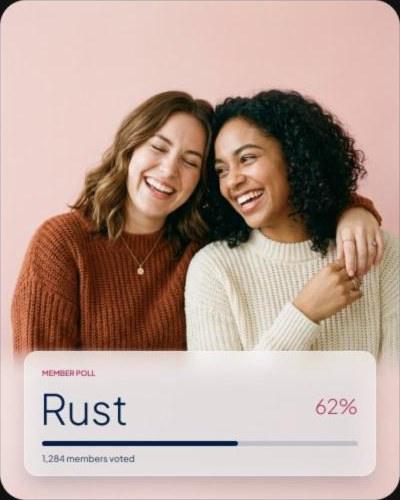
Zero-party data is information a customer deliberately shares with a brand, such as product preferences, purchase plans, or how they want to be contacted. Brands can collect it through surveys, polls, quizzes, and profile questions, and some offer a reward for answering.
POS data is the record of sales captured at the point of sale, which is the register or checkout where a transaction happens. It shows what sold, in what quantity, at what price, in which store, and when. For brands selling through retail, it is the most direct count of how many units actually moved to shoppers.
UPC matching compares the product code on a receipt line with a brand's product list to find the brand's items. A UPC, or Universal Product Code, is the 12-digit UPC-A number under a barcode that identifies one specific item, such as one size and flavor. When a receipt prints no code, programs match on the printed name or keywords instead.
Marketing opt-in is a member's explicit agreement to receive promotional messages from a brand on a named channel. It is a separate permission from joining a loyalty program, and it is granted per channel. Agreeing to email does not grant SMS.
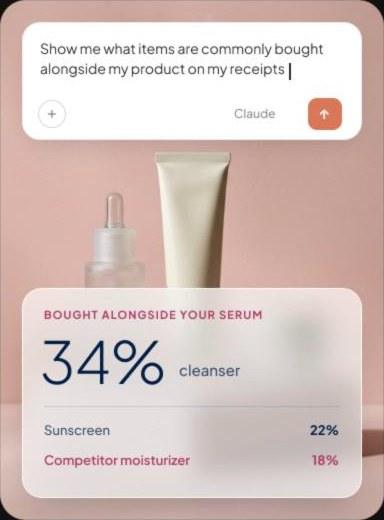
Basket analysis looks at what shoppers buy together in one purchase to find products that tend to sell as a pair or group. It counts how often items appear in the same basket, then measures how strongly one item points to another. A brand sees full baskets only where it holds the whole receipt or sale record.