Building Long-term Loyalty Through Incentives
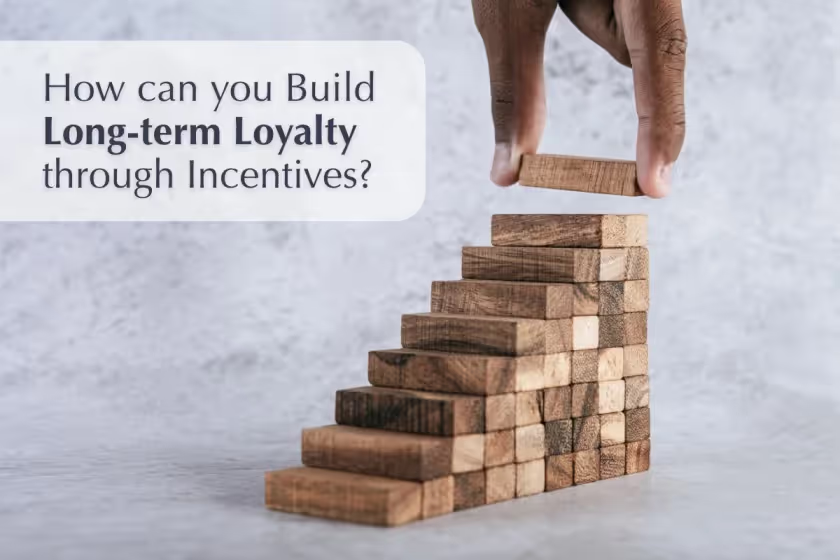
According to research by McKinsey, top-performing customer loyalty platforms potentially boost revenue through points redemption by 15-25% in a year. It's possible by increasing either the frequency of purchase or basket size or perhaps both.
One effective way to do this – offer incentives.
Loyalty incentives brands can offer
Customer loyalty solutions reward your customers for being loyal, making repeat purchases, and advocating for you. There are different types of incentives, including reward points, gift cards, cashback, store credit, and exclusive access, among others.
Ben & Jerry's Flavor Fanatics program makes a good example here. Members get ice cream rewards in the form of discounts, inside scoops (exclusive access), and congratulatory surprises on their birthdays!
A common misconception is that incentives are short-term. Short-term incentives run around limited period prices and discount promotions, and they're more flexible with a mass appeal.
However, incentive programs can also be long-term, focusing on more loyal customers with better personalization. They may not reward members immediately but gradually build up interest in your brand.
Why long-term customer loyalty solutions matter
The pandemic has impacted customer loyalty platforms profoundly. The same report by McKinsey showed about 39% of customers changed brands, and 79% wished to continue exploring options.
Therefore, it's more important now than ever to focus on retaining existing customers. Revenue from this base is arguably what will help keep your company stay afloat in tough times.

Few more reasons why long-term loyalty should matter to your business:
- Maximize customer retention
To avail of rewards, customers will keep coming back for more. Take the Sephora Beauty Insider program as an example. The program offers exclusive products to “Insiders” first and then the rest of the customers. Members also get samples, free birthday gifts, invites to exclusive meet-and-greets, and more. Customers must keep purchasing from Sephora to get these rewards. - Build advocacy
Long-term incentives encourage loyal customers to put in a good word for you to potential buyers on offline and online channels, increasing referrals and building brand advocacy. - Preserve margins
Returning customers are willing to pay higher for services instead of opting for cheaper alternatives provided by rival brands. Virgin Atlantic uses this to their advantage with their Flying Club. They let customers earn miles and tier-based points for flying with them and any other purchases. Rather than giving away one-time discounts, Virgin Atlantic provides longer-term incentives. - Ensure brand affinity
Long-term customer loyalty platforms provide an opportunity to strengthen brand affinity by building communities and doing good for others. The Body Shop's love your body club ensures customers love their brand by participating in noble causes. Members can donate their loyalty incentives to the brand's charity partners, which benefits the larger community and increases brand goodwill. - Improve personalization
When loyalty members are around for a longer time, you gather loads of data on their buying behavior, which can be used to improve their experience by segmenting them into different groups or conducting behavioral analysis. The Starbucks Rewards program collects information on its customers. It then shares relevant offers or points to each customer segment using behavioral analytics.
Building long-term customer loyalty solutions
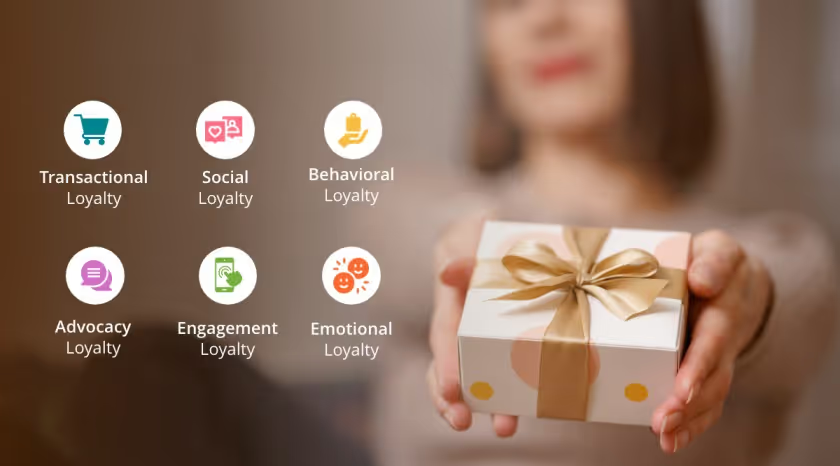
There are five types of long-term loyalty incentives which brands can use to create a fiercely loyal customer base:
1. Transactional loyalty
As the name suggests, transactional loyalty programs reward customers each time they purchase from you. For instance, the Uber Rewards program offers incentives to members each time they ride with the brand or purchase from Uber Eats.
2. Social loyalty
This program rewards members when they promote your brand or post positive reviews about it on social media platforms. You could also reward them for following your social media handles or sharing user-generated content. Ipsy, famous for its viral glam bag success, incentivizes shoppers with exclusive access when they share referrals via Facebook messenger.
3. Behavioral loyalty
You can categorize user behaviours and award specific rewards using this type of program.
For example, The North Face's XPLR Pass incentivizes customers for actions such as bringing in a reusable bag to shop at their stores, and participating in surveys, among others.
4. Advocacy loyalty
Here, you can reward members for each referral they share. To start this program, you need to identify customers who have the best experiences with your brand and provide incentives for their referrals. Tesla is perhaps the most famous example of this. The brand implemented referral packages for customers who would refer Tesla to others.
5. Engagement loyalty
This incentive program provides rewards based on a customer's interactions with your brand. It could be a combination of the above loyalty programs as members are rewarded for email subscriptions, giving reviews, and gathering social media followers through referrals.
Gap's campaign in partnership with Groupon took customers by storm when they announced $25 off on every $50 purchase. Excited shoppers shared the offer on social media, advocating for the brand. The strategy paid off, and Gap has seen increasing success ever since.
6. Emotional loyalty
Brands have a lot to consider to succeed in the next decade. The biggest challenge is creating emotional loyalty. Emotional loyalty is more comprehensive than brand loyalty, encompassing more of the customer's emotional profile and relationship with a brand. Brands must provide their customers with a meaningful experience by focusing on the customer's emotional needs.
Emotional loyalty is the consistent, deep-rooted psychological attachment to a brand. It is based on the idea that consumers form strong emotional relationships with brands and are thereby influenced by their emotions. It is very difficult to achieve, but it is extremely profitable when you do. Certain factors like congruent brand image, great customer experience, feeling special, and some others influence customers to develop emotional loyalty towards a brand.
Dove has always strived to empower women and redefine beauty in a new light, thereby connecting on a deep emotional level with their target audience. No wonder the philosophy behind Dove's Real Beauty campaign is still going strong. The overall sales of Dove products jumped from $2.5 to $4 billion in the campaign's first ten years.
Wrapping it up
Each business yearns to reach greater heights and earn more revenue. But as necessary as it is to expand your business, it's also a prerogative to retain a steady customer base. One of the many strategies used is customer loyalty incentive programs – to create sticky, loyal customers.