The Rise of the Creator Economy

There are 50 million creators.
While we talk about the rise of the creator economy—we're really looking at its domination. The creator economy has sparked a movement of new entrepreneurs, creative, business savvy people who use organic and paid social media posts to build communities, sell products, and grow businesses.
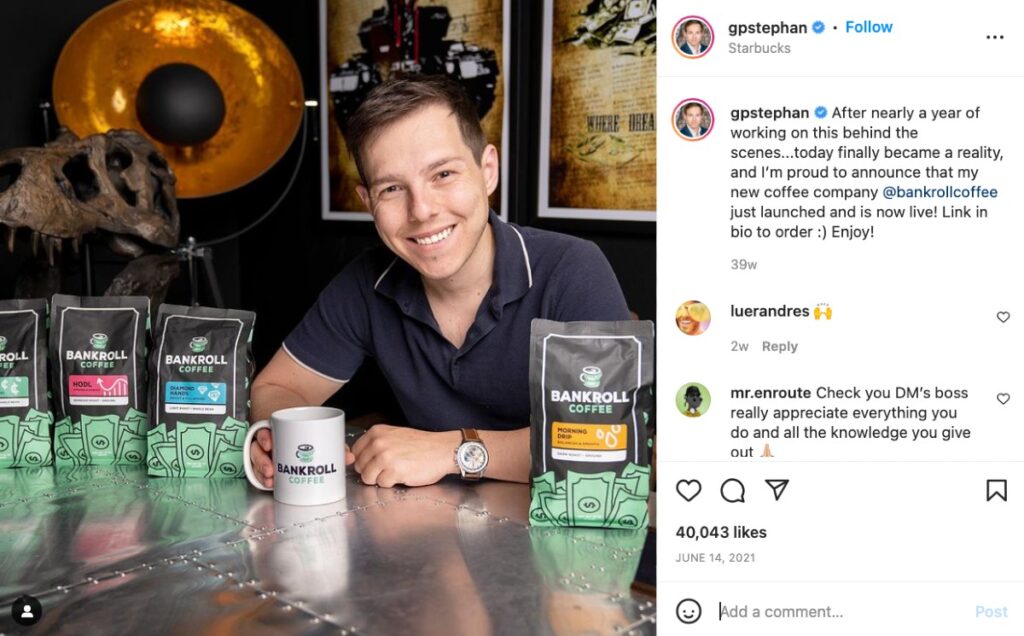
Far from the days of posting to Instagram with a grainy filter, the creator economy has flourished from free social media apps. From Instagram to TikTok and YouTube, creators have access to the majority of the world's population.
And it's changing the way we think, act, and make buying decisions.
Where Did the Creator Economy Come From?
Early social platforms, like Myspace, paved the path for YouTube's launch in 2005 and Instagram's launch five years later. Without realizing it, the founders were about to change how people viewed the internet.
Social media in its infancy was prioritized around connection. Its primary focus was on news feeds curating what your friends and family posted about their weekend at the zoo or seeing the photos from last night's party.
But everything changed in November 2007 when Facebook launched its ad model. Two years later, YouTube followed. Suddenly, social media wasn't just about sharing what you were up to. It was an advertising platform.
As more people flocked to connect online, the advertising back-end of social platforms was built out into a mega-mogul. Brands were making millions of dollars by sponsoring posts on news feeds. Creators were garnering millions of followers for the first time, ever.
The creator economy was born.

Creators were asked to promote brands on their profiles in return for free products and shortly after, in return for a hefty paycheck. YouTube creators saw money for Adsense. And creators suddenly realized they could build out their own brands.
That's brought us to the creator economy we're familiar with today—where content created by fans, customers, employees, and professional creators about brands is constantly shown across our feeds. It's normalized advertising in a way that has never been seen before…
And it's changing the way we think.
How Has the Creator Economy Changed Buyer Psychology?
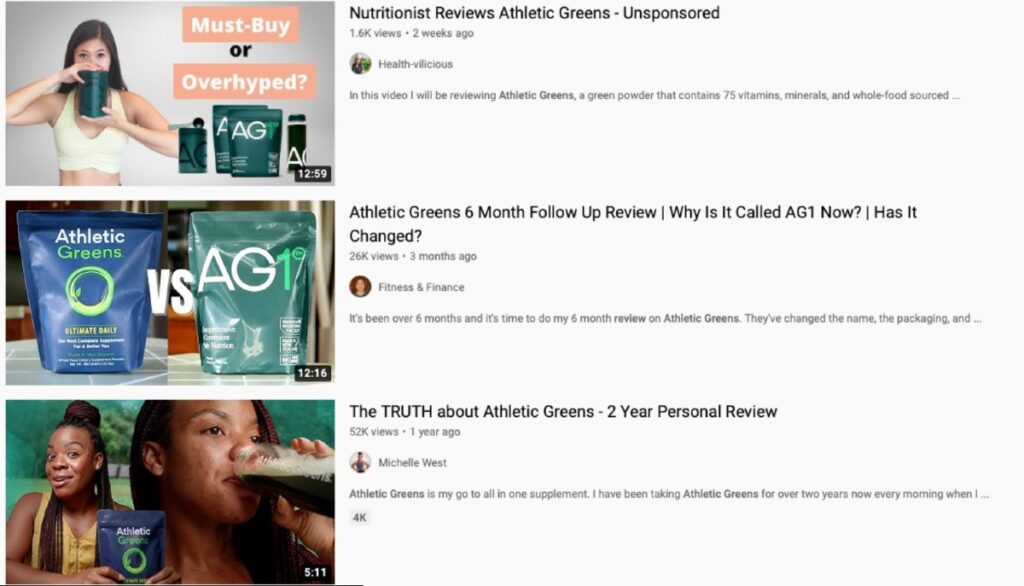
The creator economy has created millions of brand ambassadors and influencers (from mega-influencers with millions of followers to nano-influencers with less than 10,000). People look for online reviews to figure out if they want to buy a product or trust a brand—as if they're asking a friend for their opinion.
- 48% of survey participants claim user-generated content is a great method for them to discover new projects.
- Websites with featured user content saw a 20% increase in return visitors.
- Ads based on user-generated content receive 4 times higher click-through rates and a 50% drop in cost-per-click compared to average ads.
Buyer psychology no longer relies on catalogs to shop for clothes and hearing from a friend of a friend about how they like their car. We're looking for opinions from creators and influencers we feel aligned with about their favorite products.
Here's how the creator economy is impacting buyer psychology.
Impact #1: People Are Window Shopping Online Constantly
We're no longer waiting to drink our morning coffee and flip through the kid's toy catalog that found its way to our mailbox yesterday. And we're not waiting until the weekend to see the latest collection at our favorite clothing boutique.
People spend hours scrolling social media per week, which means they're constantly window shopping through the ads appearing on their feeds (paid and influencer marketing). They're no longer waiting for the perfect moment to shop online—they're doing it all day long as they scroll through their Instagram feed during their lunch break or they watch a YouTube video at the dentist's office. That changes how marketers do their job.
There's a big difference between someone seeing your advertisement (and products) one time, and them having dozens of touchpoints with your brand over a span of a few days.
How marketers can use this: Marketing in 1999 had the goal of getting your target customer to see your ad at least once as they browsed through a catalog, caught a glimpse of your billboard as they drove down the highway, or saw your promotion on the side of a bus. Marketing today is all about getting your customer to see your ad as many times as possible, in as many different ways as possible.
The creator economy makes this possible in two ways. The first is through influencer marketing. Creators get paid to promote your products across their social channels. This is great for brand awareness. But, what about the rest of your funnel? The second way marketers are utilizing the creator economy is through user-generated content.

Impact #2: People Trust Online Reviews Just as Much as Reviews From Their Friends and Family
User-generated content is a photo, video, or testimonial created by your fans or customers. It's the unboxing video that got 100,000 views on TikTok or the digital screen at an event that inspired more people to use your hashtag. Here's the thing about user-generated content: more than half of consumers wish brands would tell them what type of content to create and share.
Welcome to the creator economy. Your customers (whether they consider themselves influencers or not) want to make user-generated content, and your leads want to see it. The creator economy is a flywheel that creates multiple touchpoints with your customers when used strategically.
Your marketing funnel, from start to finish, can be amplified with user-generated content showing prospects why they align with your brand and products.
How marketers can use this: Marketing back in the day had a huge focus on celebrity endorsements. Today, it's much less about getting an a-list celebrity to make a video about your product and much more about highlighting the ‘everyday person' talking positively about your brand.
Your prospects are looking for confidence in their buying decision. They get that through seeing someone like them, buying, loving, and raving about your brand. With user-generated content, brands can showcase the diversity of their customers and amplify their voices (instead of just the brand's).
This is where the creator economy has brought buyer psychology today—but what does the future look like for creators and brands?
Where is the Creator Economy Heading?
In 2021, the number of applications to start a new business in the United States hit an all-time record (5.4 million!).
Twitch streamer Ninja recently landed the opportunity to teach a Masterclass on how to become a streamer. This tells us a lot about the future of the creator economy. It's certainly not going away anytime soon and if anything—we'll see more and more people join the creative workforce in the coming years.
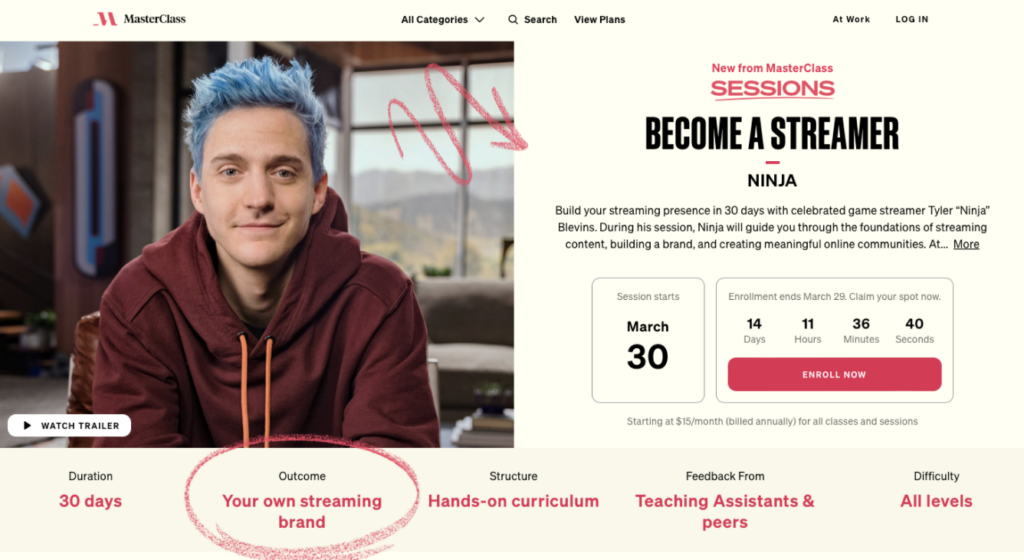
Records in new businesses and how to become a [insert type of creator here] Masterclasses show just how quickly the creator economy has picked up steam. This means that while there are great parts of the creator economy we'll happily bring into the future, there are also some gaps that need to be fixed.
As Li Jin explains, “For online creators today, a handful of large social media platforms serve as gatekeepers for finding and connecting with audiences.
While these platforms provide valuable services to creators, including the tools for content creation, hosting, and discovery, there is an immense power imbalance between platforms and creators, who are reliant on platforms for distribution.”
Outlooks like this remind us that the social platforms dominating today, may not be the ones in the top spots in the future. As the metaverse continues to roll out, we can safely predict decentralized platforms for creators to house their followings will gain popularity.
And, we can assume there will be a lot of changes to the creator economy that are difficult to predict today. The only way to see the newly shaped economy as the metaverse becomes a normal part of our lives—is to watch every step.
The Future of the Creator Economy
The rise of the creator economy turned into domination. It's clear this new profession is here to stay, and it will continue trickling into more and more industries around the world.
We see employees acting as creators for the companies they work for, as well as creators building out their own media companies and launching products. Marketers must focus on how the content created by creators is impacting buying psychology—from motivating purchases to inspiring customers to make their own UGC.
And at the same time, they need to have their eyes on the horizon.
That's why over 30,000 marketing leaders are subscribed to the Future of Marketing.
Every week they learn what's working in marketing now and what upcoming trends they need to be aware of. And you can, too.
Subscribe to the Future of Marketing here.