
The AI Consumers Actually Trust
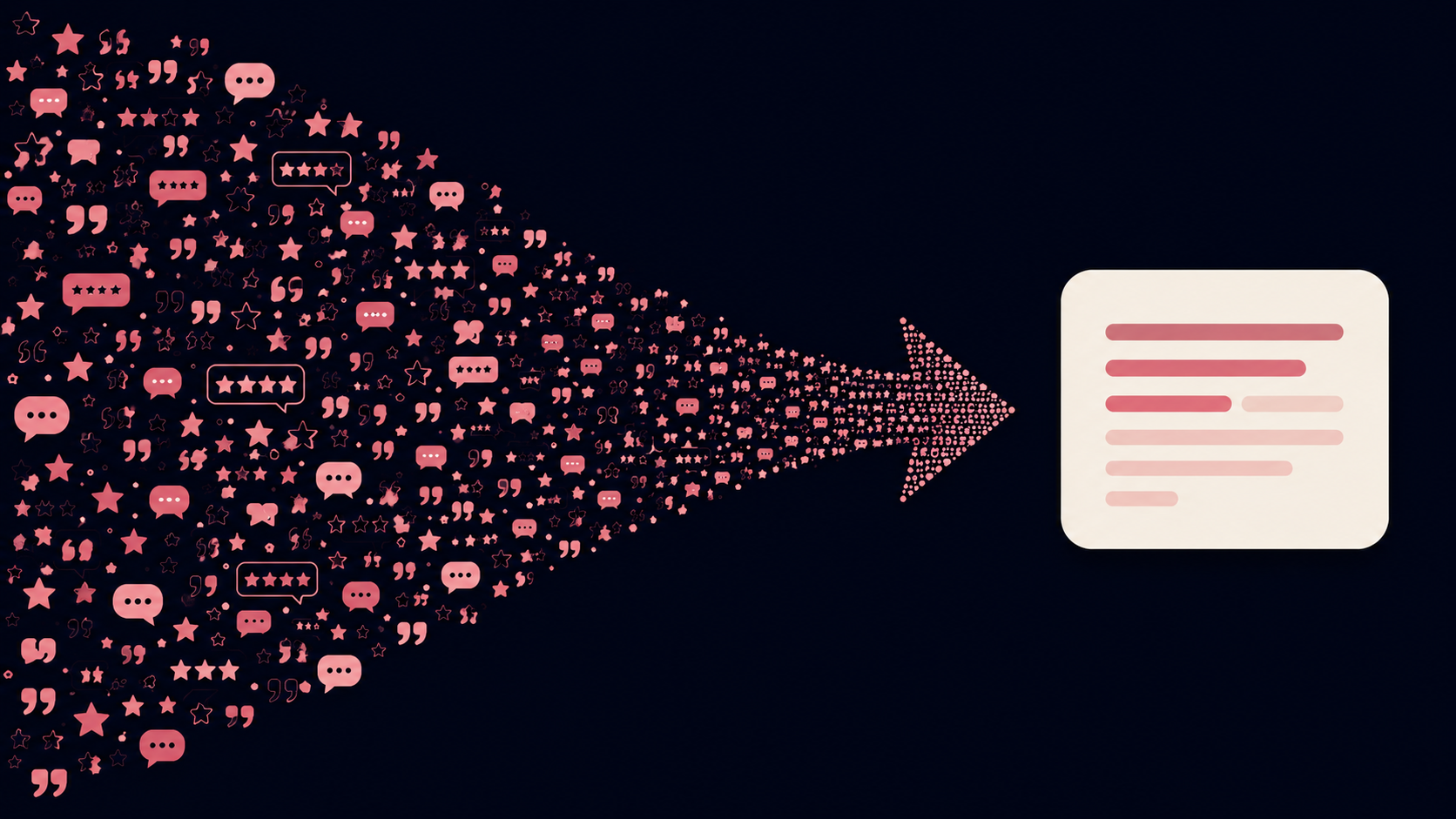
Different types of AI exist. Brands are deploying it everywhere, in many different ways, resulting in varying degrees of consumer trust. So, it's first worthwhile to explore what's out there.
Predictive AI reads behavioral data and tells you what's likely to happen next: who's about to churn, who's ready to buy, who hasn't engaged in a way that should concern you.
Analytical AI reads what already exists and surfaces what it means: patterns in purchases, sentiment in reviews, signal in noise.
Generative AI creates new content from a prompt: copy, images, responses.
Conversational AI handles dialogue, the chatbots and virtual assistants fielding questions at scale.
Recommendation AI ranks options in real time so the right offer reaches the right person.
Each has a legitimate role. The mistake, though, is deploying the wrong type for the job, or not understanding which type you're using and what it's actually doing to consumer trust. Deploying AI transparently, in ways consumers can recognize as helpful, is no longer a nice-to-have. It's a competitive advantage.
Where generative AI is creating a problem
Gartner's March 2026 Marketing Survey found that 50% of US consumers would prefer to do business with brands that don't use generative AI in customer-facing channels.1 Klaviyo's 2026 AI Consumer Trends Report found that only 13% of consumers completely trust AI, and 31% say they trust a brand less when it uses AI-generated content.2
This isn't a general AI problem, but rather a more specific one. Consumers aren't rejecting the churn model running quietly in the background or the recommendation engine surfacing relevant offers. They're rejecting the AI they can see and feel: the copy that sounds like no human wrote it, the responses that don't quite land, the content that exists because it was easy to generate rather than because it was worth saying.
The authenticity issue
At the same time, something else has been getting worse. The Bazaarvoice Shopper Experience Index 2025 found that 46% of shoppers cite "knowing whether reviews are real" as their number one shopping frustration.3 BrightLocal's 2026 Local Consumer Review Survey found that 97% of consumers rely on reviews, and 31% will only consider businesses with 4.5 stars or higher, nearly double the 17% who said the same a year earlier.4
Consumers are leaning harder on reviews than ever before, and their biggest frustration is authenticity. Brands flooding their channels with AI-generated content are making that frustration worse at exactly the moment it matters most: the path to conversion.
Reading vs generating
Analytical AI that synthesizes what real consumers already wrote is a fundamentally different play than generative AI that produces new content from nothing. One starts with genuine human experience. The other starts with a prompt. That distinction is what consumers are responding to in the trust data, even if they're not naming it in those terms.
This is the thinking behind AI Review Summaries, launching inside TrueLoyal Fan Clubs™ in June 2026.
AI Review Summaries reads a brand's existing review library, pulls the 500 most recent reviews, and generates a plain-language summary that lives directly on the product page. No AI-written reviews. No fabricated sentiment. The LLM reads what consumers actually wrote and surfaces it where the next shopper needs it most.
The mechanics are straightforward. On the first visit to a product page with AI Review Summaries enabled, the system generates the summary and caches it for 24 hours. After that, it refreshes on the next real visit — not on a timer, but when someone actually arrives. Inactive pages don't consume resources. Active pages stay current.
So yes, generative, predictive, analytical, conversational, and recommendation AI all have their place. The brands that get this right aren't the ones using the most AI, they're the ones using the right type for the right job, transparently, in ways that build rather than erode trust.
The asset many brands are sitting on
Most brands already hold the answer. Thousands of real consumer reviews, written without a prompt, representing genuine product experience. The signal is there. It just isn't surfacing at the right moment in the right form.
The Internship, a movie where Vince Vaughn and Owen Wilson secure an internship at Google has a scene where they and their team try to sell Google Ads to a pizza shop owner named Sal. A line from that scene that is quite relevant here, states: "Everybody is searching for something, Sal".
Today, that search means that consumers want comfort that they are making the right decision. Brands that can quickly surface distilled, authentic product and service review summaries at the point of purchase will win.
AI Review Summaries is available inside TrueLoyal Fan Clubs™ for clients with the Ratings and Reviews module active.
Schedule a demo and we'll show you what your review library looks like when it's working.
Max Savransky is the Global Director of Loyalty Strategy at TrueLoyal. Max is a customer strategy, loyalty and data leader with a proven 18-year track record of designing, validating and deploying successful client strategies to drive engagement, retention and revenue growth. Max is also one of the co-authors of 'Loyalty Programs: The Complete Guide' (editions 1 and 2), the definitive book on loyalty for industry professionals.