The Solo Cup Was Never Meant for Parties. So Why Did It Take Over?
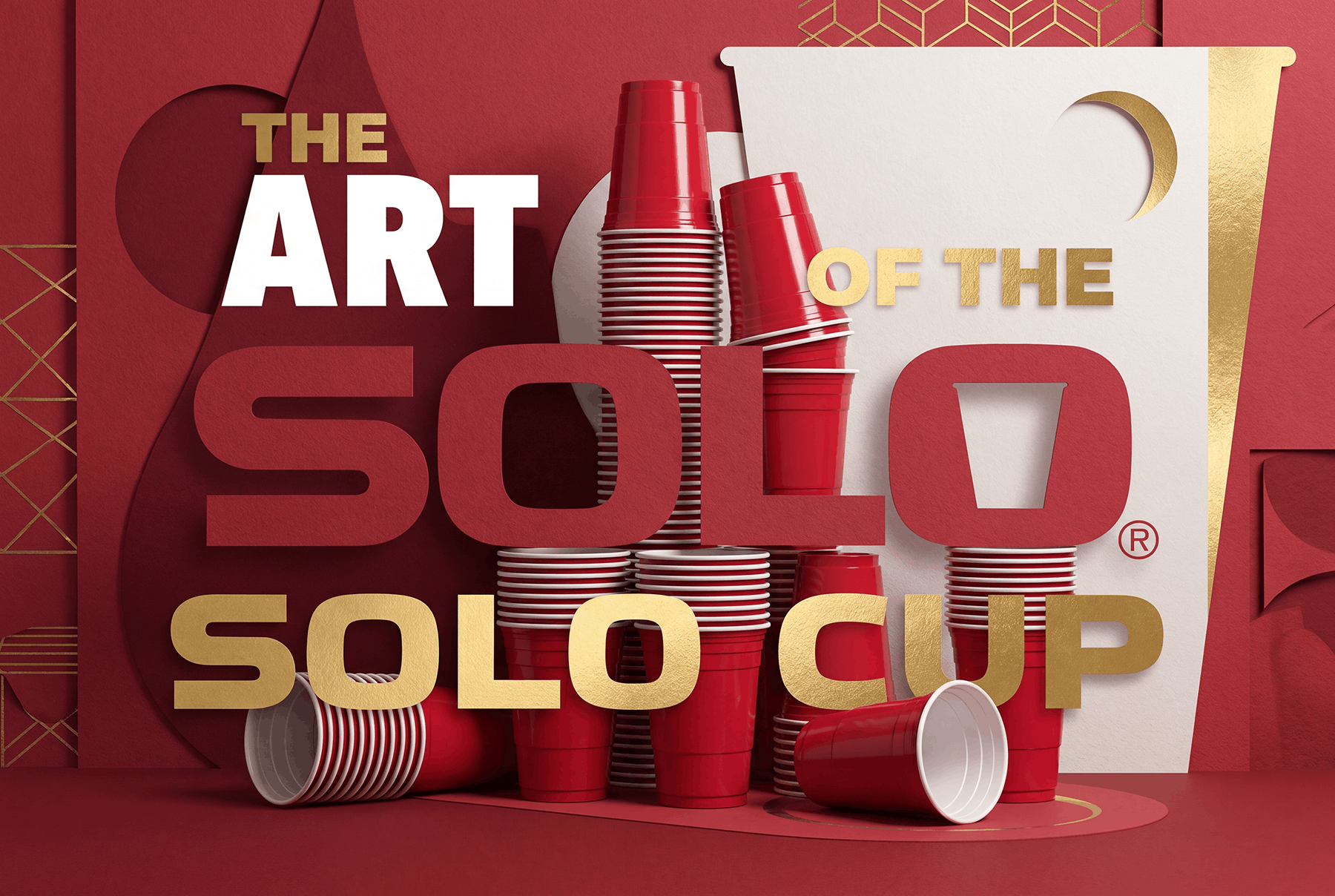
The red exterior plastic cup with the white interior sidewalls that we all know and love as Solo Cup, has probably always been for public gatherings and events right? The colorful red exterior with the contrasty white interior is perfect for any party or occasion. The best part of all, you can set your cup down, and there's a high chance you might grab someone else’s cup, and that is just part of the fun! Grab one, pass one down, and enjoy a drink with your friends and family.
There's a high chance you picked up on some slight sarcasm. If you didn't, let's pour one out for the homies, and unpackage that.
The thing about legacy brands is that they are very good at staying under the radar. Quietly listening and analyzing the social climate that their product exists in. Subtle, tactical changes that ensure that their brand remains relevant. Continuously preserving that “same ole brand” feel that we all grew up with. Most importantly above all, they understand their customers and needs profoundly. The product is a result of its environment. Solo cup is a unicorn because beneath the surface it reveals the true meaning of loyalty: staying loyal to your customer.
From public hygiene, to a symbol of connection. The Solo cup we’ve come to know and love hasn’t always had the same brand identity. In 1936 Leo Hulseman founded the Solo Cup with one intention in mind; stop people from sharing glasses and promote public hygiene. Solo cup originated as a single use paper cup built solely for the purpose of protecting the individual from sharing with others. The question is not, why single use? The question is; why was that important in 1936?
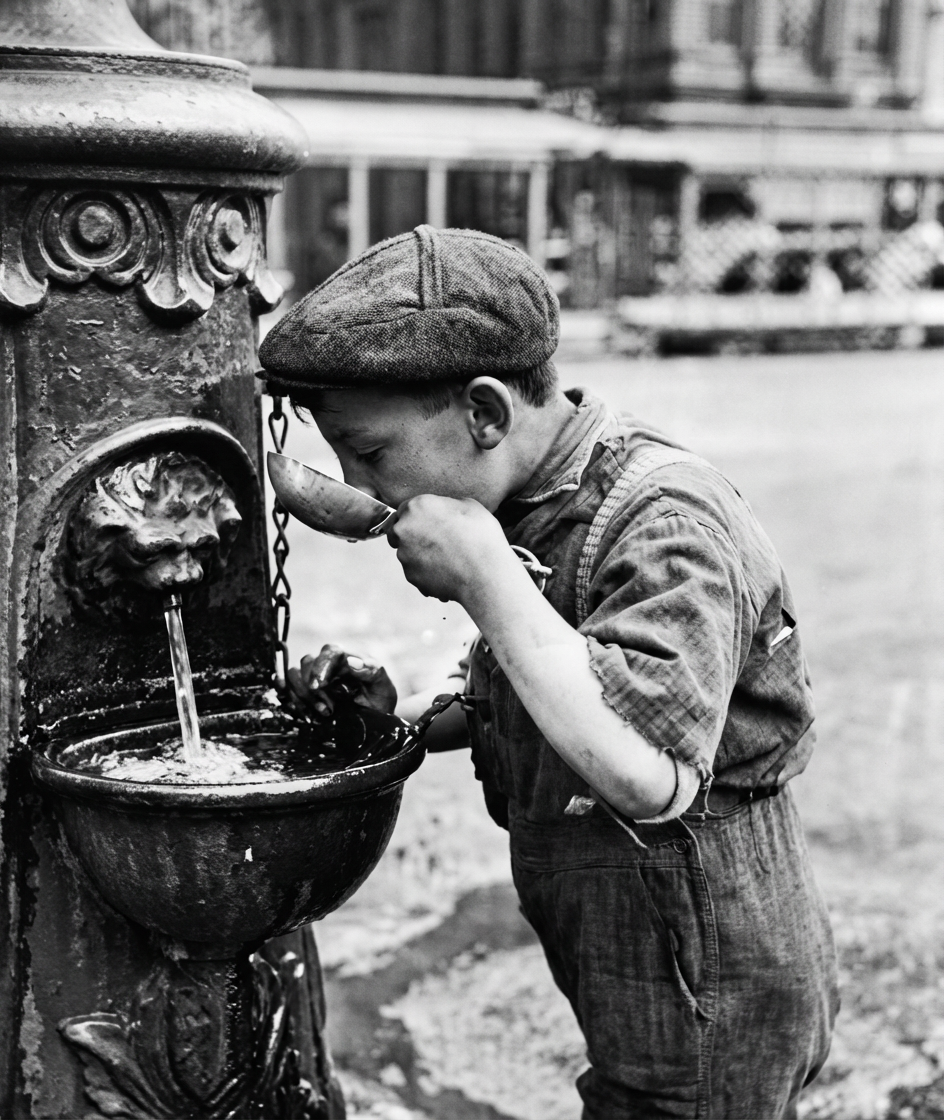
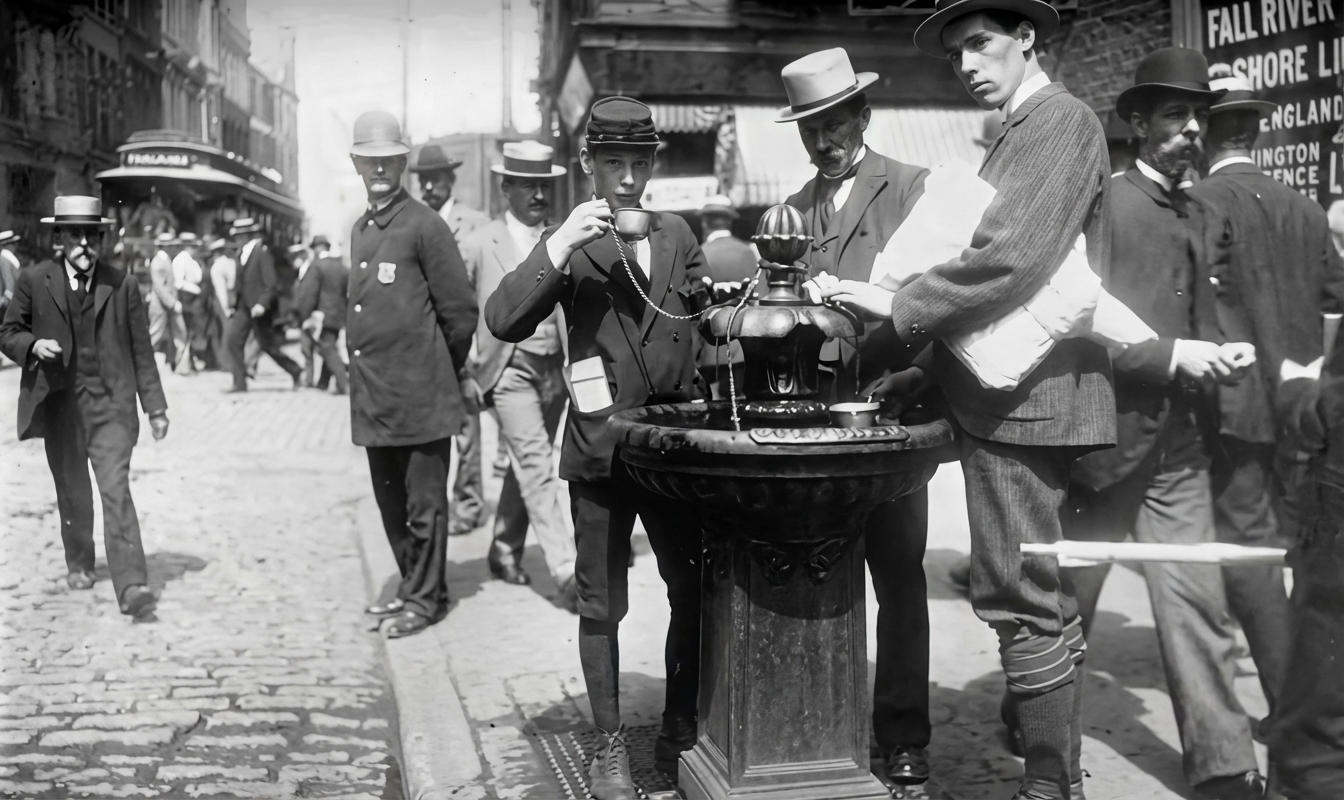
Prior to the invention of the single use paper cup in the early 1900’s, society went along their day without a single care in the world for germs or hygiene. Schools, trains, and businesses would make metal and glass communal drinking glasses available to the public. As one would imagine, this fueled the surge in diseases like tuberculosis, diphtheria, influenza, and more. The sol(o)tion to this? The banning of “the common drinking cup” took full effect throughout railroads, schools and public places. With the removal of public drinking vessels, came the birth of the single use paper cups. This new surge gave birth to many paper cup companies including the Dixie cup, and many others. Amongst the crowd, was the Solo Cup company.
One of the most difficult things to solve is changing human behavior. We are creatures of habit and we don’t like things that disrupt our daily rituals. Manufacturers were aware of this hurdle and designed a cup that would force hygiene and single use cups through intentional design decisions. The creation of a cone shaped paper cup was the perfect solution. Following the form follows function philosophy, the cone shape reinforced single-use behavior. The use of flimsy material and the fact that it wouldn’t sit flat, forced people to throw it away after quenching their thirst.
For nearly two decades Solo Cup, along with others in the space, leaned heavily into paper goods and kept their heads down while they grew their distribution, margins, and revenue. Meanwhile in the background, WWII was in full force and leaning heavily into plastics as it provided a strategic advantage on the battlefield. Plastics were being used in everything from nylon parachutes to tank components. This material proved to be extremely versatile and cost effective. By the early 1950’s, plastics had started making an appearance into homes across the United States, and eventually made their way into manufacturing plants like Solo Cup.
This is an important moment to note that Leo Hulseman, who originally launched the company to compete in the hygiene space, had little to no impact on innovation during that time. Moreover, the company was not the first to adapt plastic as an alternative to their paper product offerings. They were, however, one of the first to heavily invest in thermoformed plastic cups. The industry was deeply invested in paper cups, which resulted as an opportunity for Solo Cup which was more nimble and willing to invest into new infrastructure.
Many will say that some successful brands were there at the right time and place. Calling it “luck”. Solo Cup did not invest into plastic cups because they sat around a board room discussing how they wanted to become the go to cup for parties and gatherings. They invested in that infrastructure because plastic was cheaper at scale, more durable, had better margins and aligned with the post war consumer boom. The decision was opportunistic because they saw a chance to continue focusing on mass production, cost efficiency and consistency, that’s it. As a result of making the shift into plastics, they opened their doors to a new consumer. Before long, their cups started showing up at college parties, family cookouts, and gatherings of all kinds.

This wasn’t luck, but it also wasn’t strategic. It was a chain of very practical advantages that happened to align with a cultural moment. In the late 60’s and early 70’s social settings shifted to being outside, moving around, and the most important detail of them all, alcohol was heavily involved. The consumer needed something that wouldn’t break, leak and was cheap enough to throw away when they were done using it. So plastic as a material wasn’t just better, it was the only thing that actually worked. Solo Cup nailed the exact version of plastic because not all plastic cups were equal. Solo’s were sturdy, cheap enough, stackable and widely available. Their nationwide distribution was fundamental in their early success. When competitors stayed in paper too long and focused on foodservice, it presented itself as a clear opportunity for the company. It was the perfect combination of ingredients that lended itself to being the go to cup for parties and gatherings.
Eventually, college culture amplified this new persona for Solo’s. Repetition turned into expectation. When you needed a cheap, durable cup for your party, Solo was there.
The company was not intentionally targeting the right environment. The environment standardized them as a result of being the perfect product fit. That’s the key difference. The cups became the default object inside a behavior that repeats millions of times. When that happens, you have a recipe for success. A product that survived inside the culture better than anything else.
How does a product not only survive, but thrive through these cultural shifts? Thats the real question. Red is one of the few colors that demands attention without asking for it. It cuts through the noise, holds its shape in low light, and stays visible in crowded, chaotic environments. In the context of a party, that matters. Over time, that visibility compounds into recognition. Recognition compounds into association, and association becomes meaning. The Solo cup didn’t become iconic because it was red. It became iconic because it was always red, in the same moments, over and over again, until the color itself stopped being visual and started being emotional. You might call that luck. The process of thermoforming, forms plastic sheets into layers and then molded to form cups. Pigments, especially strong red dyes, were likely costly. So the decision to leave the inside of the cup white was almost certainly a financial decision. Did this reinforce its brand identity in these settings? Absolutely. Was it luck? No.
What’s interesting about all of this, as previously mentioned, is that Solo Cup’s executives was never sitting around a boardroom discussing how to build customer loyalty. There was no master plan to become the most recognizable cup at parties, tailgates or gatherings. Loyalty was never the objective, relevance was.
From the very beginning, the company anchored itself around the simple principle of solving the problem in front of the customer. In 1936, that problem was hygiene. One cup per person. Through the decades that problem evolved as hygiene became less of a problem and the company pivoted into materials that allowed the company to improve distribution, durability and quality. They were busy chasing usefulness and not brand equity.

What becomes clear as you begin to unpack this story is that Solo didn't force loyalty into existence, and they also did not arrive there by accident. It was the result of a company that stayed committed to understanding its customer and evolving alongside them. Rather than trying to dictate how the product should be used, they created something that could exist naturally across different environments. The product worked so well within those settings that it kept showing up in them. That is the distinction. Over time, that repetition shaped behavior. Familiarity turned into expectation, and expectation is where loyalty begins to take hold. Not as something forced, but as the natural result of a product that consistently meets the needs of its customer.
Moral of the story? Loyalty isn’t forged into existence. It’s the result of a company’s commitment to staying tuned into cultural shifts, listening to their customers, and focusing on delivering the highest quality product to meet those needs. Loyalty isn’t a strategy it is earned.